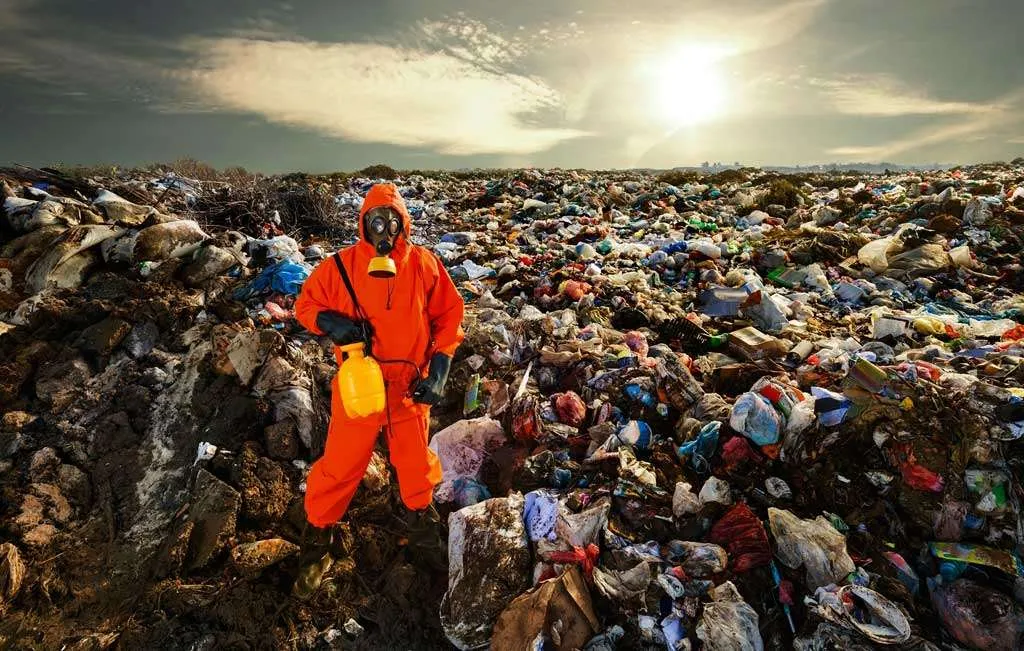
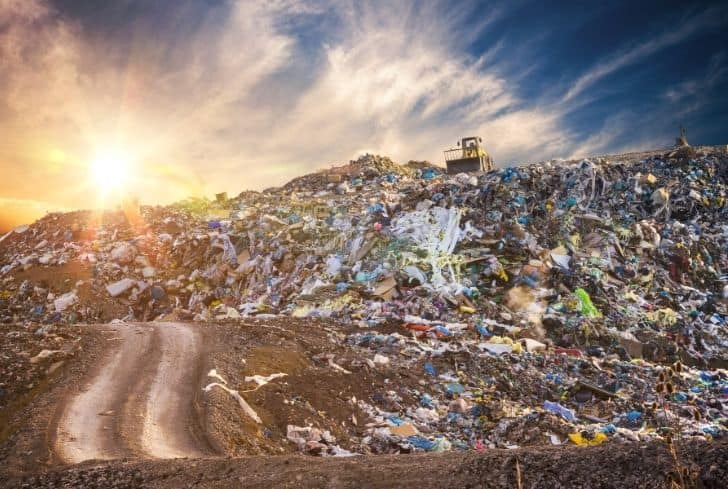
Land pollution refers to the deterioration of the earth’s land surfaces, at and below ground level. The cause is the accumulation of solid and liquid waste materials that contaminate groundwater and soil. These waste materials are often referred to as municipal solid waste (MSW), which includes both hazardous and non-hazardous waste.
When waste is deposited onto an area of land, the permeability of the soil formations below the waste can increase or reduce the risk of land pollution. The higher the permeability of the soil, the more likely that land pollution will occur. That’s why the Texas Disposal Systems Landfill, located just outside of Austin, Texas, was built in an ideal area. By utilizing the natural shale and clay in the land, the risk of land pollution has been significantly decreased.
Litter
Littering, the improper disposal of waste products, is unfortunately common. According to a study by Litter in America, litter cleanup costs the U.S. more than an estimated $11.5 billion each year. Every cigarette butt tossed on the ground or food wrapper tossed out of a car window is a small contribution to a monumental issue. According to Keep America Beautiful, 76% of litter found on roadways is from pedestrians and motorists. Not all litter, however, is intentional. A large volume of litter also comes from unsecured items that fall off the back of vehicles or out of trash receptacles.
Illegal dumping also contributes to land pollution. Oftentimes people will dump waste illegally in places such as forests, open fields, and ditches rather than in approved dumping areas. Common types of illegally dumped waste include asbestos waste, cars, and waste that can be recycled or reused.
All litter, whether intentional or not, causes pollution by releasing chemicals and microparticles as it degrades. Check out our blog on littering to learn more about the effects of littering and how to reduce it in your community.
Urbanization and Construction
While urbanization is not in itself littering, large quantities of people living, producing trash and littering in a dense area does inevitably lead to land pollution. To accommodate this increased population, construction activities also occur, which result in large waste materials, such as metal, plastic, wood, and bricks. When these materials are not properly disposed of, it contributes to the land pollution of that area.
To help reduce the environmental impact of construction sites, it’s important to work with partners that offer comprehensive builder solutions to achieve cost-effective construction recycling and waste disposal plans.
Mining
Mining is the extraction of minerals and other geological materials from the ground, which are then used for a wide range of purposes, including but not limited to, producing gasoline for automobiles, generating electricity, and selling materials such as gold and silver. This extraction and the methods used, however, deplete the earth of its natural resources and cause damage and pollution in its wake. That’s why finding alternatives for energy (think solar and wind power) that aren’t mined from the earth’s surface are so vital in helping to reduce land pollution moving forward.
Effects of Land Pollution
Land pollution touches essentially every area of the living world, including:
- Water that isn’t safe to drink
- Polluted soil, which leads to a loss of fertile land for agriculture
- Climate change, which causes an onslaught of disastrous problems, including flash floods and irregular rainfalls
- The endangerment and extinction of species in wildlife
- Habitat shifting, where some animals are forced to flee where they live in order to survive
- An increase in wildfires, due to polluted areas often becoming very dry
- Increased air pollution, which burning waste contributes to
- Increased soil pollutants can enter the body through the food chain, and cause health issues
How to Prevent Land Pollution
Given the disastrous effects of land pollution, taking preventive measures to reduce its impact moving forward is crucial.
Using Fewer Pesticides and Chemicals in Agriculture
Given that the use of pesticides and chemicals in farming and agriculture greatly contribute to land pollution, finding alternatives will help to reduce the environmental impact. Farmers, for instance, can use natural ingredients by switching from bio-fertilizers to manure.
On the individual level, supporting environmentally-conscious, local farmers at your closest farmer’s market or local grocery store can help to build up business for farmers with more sustainable farming practices. Another option is to contribute to or volunteer in an urban garden in your neighborhood.
Reforestation
Reforestation involves replanting an area with trees. This can be needed for areas that have experienced wildfires, for instance, or where trees had been chopped down and milled. This process helps to bind the soil, which helps to protect it from land pollution and prevents soil erosion and flooding.
Solid Waste Treatments
When solid waste is not properly treated it can increase the level of toxicity and hazardous substances in soil. Chemical treatment methods under a controlled environment can help reduce land pollution. This solid waste treatment method includes neutralization. This treatment alters the pH level of waste before it gets dumped into landfills.
Leave a Reply